Public sector leaders are under growing pressure to respond faster and more effectively to rising economic insecurity, even as policy environments become more complex, politicized, and constrained.
Household economic security sits at the center of this challenge. It is shaped by historical policy choicesand rapidly changing forces such as automation, labor market shifts, and program rollbacks. Leaders must navigate legacy safety net structures, fragmented data, and competing narratives, all while making decisions in real time.
Many practitioners lack practical methods for:
- Understanding how today’s safety net emerged and why it functions as it does
- Mapping the systems and power dynamics shaping economic security outcomes
- Designing policies and programs that can adapt to change
- Turning timely data into decision-ready insights
- Communicating policy ideas clearly enough to build support and drive action
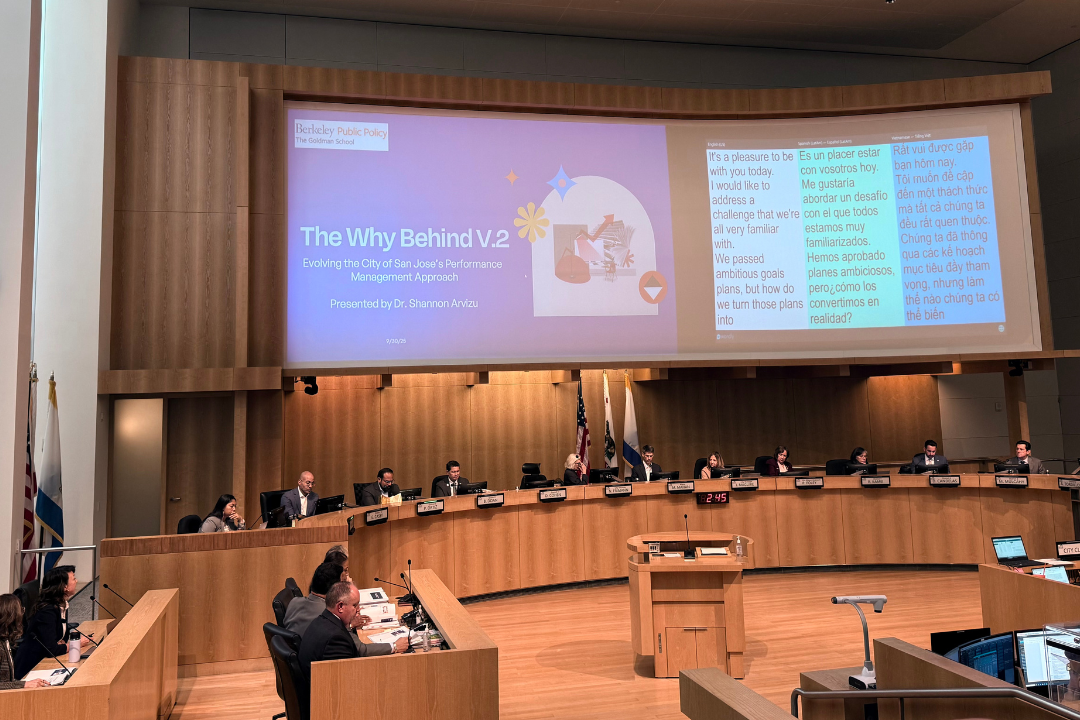
This course, delivered for M.P.A. students at the U.C. Berkeley Goldman School of Public Policy, was created to meet that gap by helping leaders build the skills needed to design, test, and advance safety net innovations that work.
.png)